Beginning with Risk and Capital Growth, the narrative unfolds in a compelling and distinctive manner, drawing readers into a story that promises to be both engaging and uniquely memorable.
Understanding the interplay between risk management and capital growth is crucial in navigating the complex world of investments. By exploring strategies to minimize risks, optimizing capital allocation, and implementing growth strategies, investors can pave the way for sustainable financial success.
Risk Management
Effective risk management is crucial in achieving capital growth in investments. By identifying and mitigating potential risks, investors can protect their capital and maximize returns over time.
Minimizing Investment Risks
There are several strategies that investors can employ to minimize investment risks:
- Asset Allocation: Allocating investments across different asset classes can help spread risk and reduce exposure to any single asset or market.
- Stop-Loss Orders: Setting stop-loss orders can help limit losses by automatically selling an investment if it reaches a predetermined price.
- Research and Due Diligence: Thorough research and analysis can help investors make informed decisions and avoid risky investments.
Role of Diversification
Diversification plays a key role in managing risks effectively. By spreading investments across different assets, industries, and geographies, investors can reduce the impact of a single investment’s performance on their overall portfolio.
Short-term vs. Long-term Risk Management
Short-term risk management focuses on immediate market fluctuations and volatility, often involving strategies like hedging and stop-loss orders. On the other hand, long-term risk management involves a more strategic approach, considering factors like asset allocation, diversification, and investment horizon to achieve sustained growth over time.
Capital Allocation

Capital allocation is the process of distributing an investor’s funds across different asset classes or investments based on their risk tolerance, financial goals, and time horizon. It plays a crucial role in investment decisions as it helps investors achieve a balanced and diversified portfolio, ultimately aiming for optimal returns while managing risks.
Significance of Proper Capital Allocation
- Proper capital allocation can lead to sustainable growth by maximizing returns and minimizing potential losses. By spreading investments across various assets, investors can reduce the impact of market volatility on their portfolio.
- For example, allocating a portion of capital to equities for growth potential, fixed income for stability, and alternative investments for diversification can help investors navigate different market conditions and achieve long-term financial objectives.
Impact on Portfolio Performance
- Effective capital allocation can significantly impact the overall performance of a portfolio. By strategically allocating funds to different asset classes, investors can enhance returns while managing risks according to their risk tolerance.
- For instance, allocating more capital to higher-risk assets may result in higher potential returns but also increase the likelihood of losses. On the other hand, a conservative allocation strategy may offer more stability but lower returns.
Optimizing Capital Allocation
- The process of optimizing capital allocation involves assessing risk tolerance, investment goals, and market conditions to determine the most suitable asset allocation strategy.
- Investors can optimize capital allocation by periodically reviewing and rebalancing their portfolio to align with changing market dynamics and personal circumstances.
- By diversifying across asset classes, sectors, and geographies, investors can spread risk and potentially enhance returns over the long term.
Capital Growth Strategies
Investors often seek strategies to achieve capital growth in their investments. One key concept that plays a crucial role in long-term capital growth is compounding.
Compounding and Long-Term Growth
Compounding refers to the ability of an asset to generate earnings, which are then reinvested to generate additional earnings. Over time, this compounding effect can significantly boost the growth of an investment. For instance, if you invest $1000 with an annual return of 10%, after the first year you would have $1100. In the second year, with the same return rate, you would earn $110 on your initial investment plus an additional $11 on the $100 earned in the first year, resulting in a total of $1210.
This compounding effect can lead to exponential growth over a long period.
Risk Appetite and Capital Growth
The relationship between risk appetite and potential capital growth is crucial. Generally, higher risk investments have the potential for higher returns, but they also come with increased volatility and the possibility of losing capital. Investors with a higher risk appetite may opt for riskier investments in pursuit of greater capital growth, while those with a lower risk tolerance may choose more conservative options that offer lower but more stable returns.
Balancing Risk and Return
Balancing risk and return is essential for achieving optimal capital growth. It is important to diversify your investment portfolio to spread risk across different assets and asset classes. By diversifying, you can potentially mitigate losses in one area with gains in another, ultimately aiming for consistent growth over time. Additionally, regularly reviewing and adjusting your investment strategy based on your risk tolerance and financial goals can help maintain a healthy balance between risk and return for long-term capital growth.
Risk Assessment
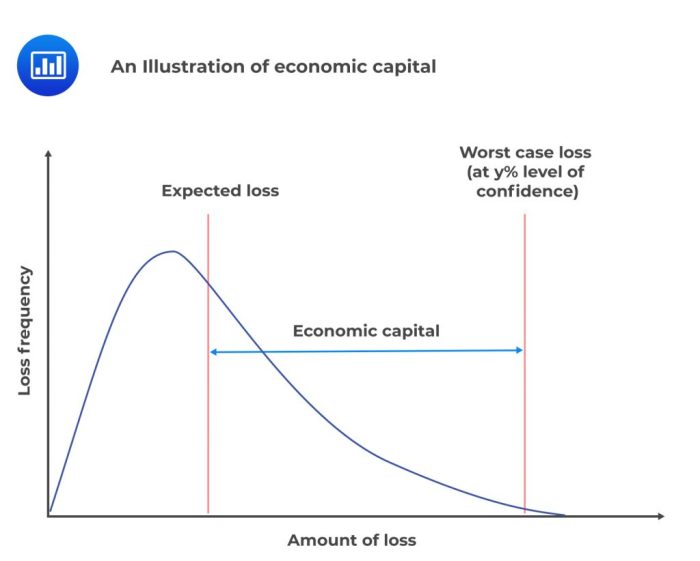
Investors need to assess various risks in their investment portfolios to make informed decisions and ensure sustainable capital growth. By evaluating these risks, they can allocate capital effectively and implement strategies to mitigate potential losses.
Types of Risks in Investment Portfolios
- Market Risk: This type of risk arises from fluctuations in market prices, impacting the overall value of investments.
- Credit Risk: Refers to the possibility of borrowers failing to meet their financial obligations, leading to potential losses for investors.
- Interest Rate Risk: Fluctuations in interest rates can affect the value of fixed-income securities held in the portfolio.
Tools and Techniques for Risk Assessment
- Value at Risk (VaR): A statistical technique used to measure the potential loss in value of a portfolio over a specific time horizon.
- Stress Testing: Simulates extreme market scenarios to evaluate how the portfolio would perform under adverse conditions.
- Diversification: Spreading investments across different asset classes to reduce the impact of individual risks.
Influence of Risk Assessment on Capital Allocation Decisions
Risk assessment plays a crucial role in determining how much capital should be allocated to different assets within a portfolio. Higher-risk investments may require a smaller allocation to manage potential losses, while lower-risk investments can receive a larger allocation for capital preservation.
Importance of Periodic Risk Assessments
Regular risk assessments are essential for maintaining sustainable capital growth over time. As market conditions change and new risks emerge, investors need to reassess their portfolios to adjust their strategies accordingly and ensure their investments remain aligned with their financial goals.
In conclusion, Risk and Capital Growth go hand in hand in the world of investments. By carefully managing risks, allocating capital wisely, and implementing growth strategies effectively, investors can work towards achieving their financial goals and securing long-term prosperity.
Query Resolution
What role does diversification play in managing risks effectively?
Diversification helps spread risk across different assets, reducing the impact of a single asset’s poor performance on the overall portfolio.
How does risk assessment influence capital allocation decisions?
Risk assessment provides insights into the level of risk associated with different investment options, helping investors make informed decisions on how to allocate their capital.
What is the significance of compounding in long-term capital growth?
Compounding allows investors to earn returns not just on their initial investment but also on the returns generated by that investment over time, leading to exponential growth.


