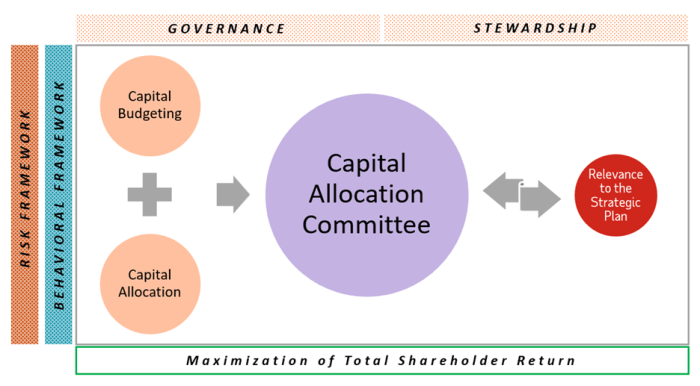
Exploring the intricate link between capital allocation decisions and Return on Investment (ROI), this discussion delves into how strategic allocation can significantly impact financial outcomes. From enhancing profitability to mitigating risks, the journey of capital allocation on ROI is a crucial aspect of financial management.
As we navigate through the nuances of effective capital allocation and its implications on ROI, we uncover the pivotal role it plays in shaping the financial success of businesses across various industries.
Impact of Capital Allocation on ROI
Capital allocation decisions play a crucial role in determining the Return on Investment (ROI) of a company. How a company allocates its financial resources across different projects, assets, or investments can significantly impact its overall profitability and success.
Effective Capital Allocation and Positive ROI
Effective capital allocation involves investing in projects or assets that have the potential to generate high returns. By allocating capital wisely, companies can maximize their ROI by focusing on opportunities that offer the best risk-adjusted returns. For example, a company that invests in research and development for innovative products or services may see a substantial increase in ROI if those investments lead to successful market launches and increased sales.
Consequences of Poor Capital Allocation on ROI
On the other hand, poor capital allocation decisions can have detrimental effects on ROI. Investing in projects with low returns or high risks can result in negative or subpar ROI, leading to financial losses for the company. For instance, allocating a significant portion of capital to a project that ultimately fails to generate revenue can drag down the overall ROI of the company.
Relationship between Capital Allocation Strategies and Maximizing ROI
Capital allocation strategies are directly linked to maximizing ROI. Companies that develop and implement effective capital allocation strategies tailored to their business goals and risk tolerance are more likely to achieve higher ROI. By diversifying investments, conducting thorough financial analysis, and continuously evaluating the performance of different projects, companies can optimize their capital allocation decisions to enhance ROI in the long run.
CAPITAL ALLOCATION
Capital allocation is a crucial component of financial management that involves deciding how to distribute financial resources among different investment opportunities. It plays a significant role in determining the overall performance and profitability of a business.
Different Methods of Capital Allocation
- Equally-weighted allocation: In this method, capital is divided equally among different investment options, regardless of their potential returns or risks.
- Optimized allocation: This approach involves allocating capital based on a thorough analysis of each investment’s risk-return profile, aiming to maximize overall returns while managing risks effectively.
- Strategic allocation: Businesses may choose to allocate capital strategically, focusing on specific sectors or markets where they believe they can achieve a competitive advantage.
Real-world Case Studies
- Apple Inc.: Apple’s successful capital allocation strategy involves a blend of share buybacks, dividends, and strategic acquisitions that have contributed to the company’s growth and increased shareholder value.
- Berkshire Hathaway: Warren Buffett’s investment approach emphasizes long-term value creation through prudent capital allocation decisions, which have consistently delivered impressive returns for shareholders.
Role of Risk Management
Risk management plays a crucial role in capital allocation decisions by helping businesses assess and mitigate potential risks associated with different investment options. By incorporating risk management principles into the capital allocation process, companies can make more informed decisions that align with their overall financial objectives.
CAPITAL GROWTH
Capital growth is the increase in the value of assets or investments over time. It is crucial for businesses as it signifies the ability to generate higher returns and expand operations. Sustainable capital growth is essential for long-term success and financial stability.
Importance of Effective Capital Allocation
- Effective capital allocation plays a key role in driving sustainable capital growth for businesses. By investing resources in projects or areas that offer the highest returns, companies can maximize their growth potential.
- For example, a company that strategically allocates capital towards research and development of innovative products can experience significant growth in market share and profitability.
- On the other hand, poor capital allocation decisions can hinder growth and lead to underperformance in the long run.
Impact on Long-term Financial Stability
- Capital growth directly impacts long-term financial stability by ensuring a steady increase in the value of assets. This provides a cushion against economic downturns and market volatility.
- Businesses that focus on sustainable capital growth are better equipped to weather financial challenges and maintain a competitive edge in the industry.
Aligning Capital Growth Strategies with Financial Objectives
- Businesses can align their capital growth strategies with financial objectives by conducting thorough analysis of investment opportunities and assessing risk-return profiles.
- It is essential to prioritize investments that support the overall financial goals of the company and contribute to sustainable growth in the long term.
- By implementing a strategic approach to capital allocation, businesses can optimize their resources and drive value creation for shareholders.
In conclusion, the synergy between capital allocation strategies and ROI optimization emerges as a fundamental driver of financial performance. By aligning prudent investment choices with long-term objectives, businesses can harness the power of capital allocation to propel sustainable growth and profitability.
Helpful Answers
How do capital allocation decisions impact ROI?
Capital allocation decisions directly influence ROI by determining where resources are invested and how effectively they generate returns.
What are the consequences of poor capital allocation on ROI?
Poor capital allocation can lead to wasted resources, missed growth opportunities, and ultimately, a decline in ROI.
Why is capital growth important for businesses?
Capital growth is vital for businesses as it signifies increasing asset value and financial stability over time.


