
Importance of Capital Allocation sets the stage for this enthralling narrative, offering readers a glimpse into a story that is rich in detail with casual formal language style and brimming with originality from the outset.
Effective capital allocation is the lifeblood of any successful business, determining its growth trajectory and financial health. In this exploration, we delve into the critical role that capital allocation plays in shaping the fortunes of companies and how strategic decisions in this area can make or break an organization’s success.
Importance of Capital Allocation
Capital allocation is a crucial concept in financial management that involves deciding how to distribute a company’s financial resources among different projects, investments, or business units. Effective capital allocation is essential for optimizing a company’s growth and profitability.
Impact on Company Growth
Effective capital allocation can significantly impact a company’s growth by ensuring that resources are allocated to projects or investments with the highest potential for returns. By directing capital towards initiatives that generate the most value, companies can fuel their expansion and enhance shareholder value.
Examples of Successful Companies
- Apple: Apple is known for its strategic capital allocation decisions, focusing on research and development, acquisitions, and returning capital to shareholders through dividends and buybacks.
- Amazon: Amazon has successfully allocated capital to fuel its growth in e-commerce, cloud computing, and other innovative ventures, leading to its position as a market leader.
Reasons for Cruciality
- Maximizing Returns: Effective capital allocation helps companies maximize returns on their investments, leading to increased profitability and sustainable growth.
- Risk Management: Proper allocation of capital can help mitigate risks by diversifying investments and ensuring a balanced portfolio.
- Competitive Advantage: Companies that excel in capital allocation gain a competitive edge by investing in areas that drive long-term value creation.
Capital Allocation Strategies
Capital allocation strategies are crucial for businesses to make informed decisions on how to allocate their financial resources effectively. By implementing the right strategies, companies can maximize returns, drive growth, and create long-term value. It is essential to align capital allocation strategies with overall business objectives to ensure that investments support the company’s goals and vision.
Different Approaches to Capital Allocation
- ROI-based: This approach focuses on maximizing return on investment by evaluating the profitability of different projects or initiatives.
- Growth-focused: Companies that prioritize growth allocate capital towards initiatives that can expand market share, introduce new products, or enter new markets.
- Value-driven: This strategy aims to create long-term value for shareholders by investing in projects that generate sustainable returns and align with the company’s core competencies.
Short-term vs. Long-term Capital Allocation Strategies
- Short-term strategies: These strategies prioritize immediate results and quick returns, often focusing on projects with short payback periods or low-risk investments.
- Long-term strategies: Companies that adopt long-term strategies are willing to invest in projects with higher risk and longer payback periods, aiming for sustainable growth and value creation over time.
Role of Risk Assessment in Capital Allocation Strategies
Risk assessment plays a crucial role in determining capital allocation strategies as it helps companies evaluate the potential risks and rewards associated with different investment opportunities. By conducting thorough risk assessments, businesses can make informed decisions on how to allocate capital effectively while managing and mitigating potential risks.
Capital Allocation Decision-Making
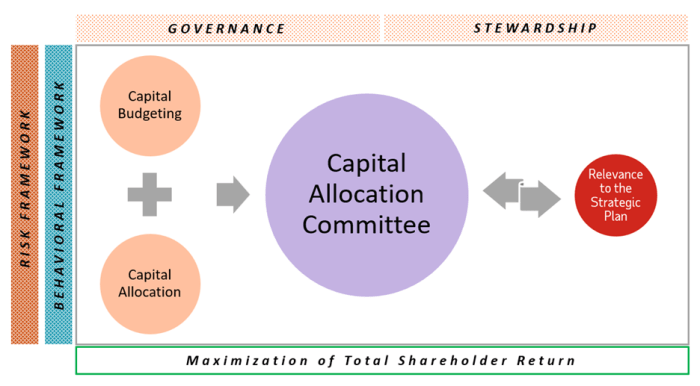
Capital allocation decisions are crucial for the success of any business. These decisions involve determining how to distribute the company’s financial resources among different projects, investments, or divisions. The process of capital allocation requires careful consideration of various factors to ensure that resources are allocated efficiently and effectively.
Key Criteria Considered in Capital Allocation
When allocating capital within a company, several key criteria are typically considered:
- The potential return on investment (ROI) of each opportunity
- The level of risk associated with each investment
- The strategic alignment with the company’s goals and objectives
- The available resources and budget constraints
- The impact on the company’s overall financial health and sustainability
Role of Financial Analysis in Capital Allocation
Financial analysis plays a crucial role in guiding capital allocation decisions. By analyzing financial data and performance metrics, companies can assess the potential risks and rewards of different investment opportunities. Financial analysis helps in evaluating the profitability, liquidity, and solvency of potential projects, enabling decision-makers to make informed choices about where to allocate capital.
Prioritizing Capital Allocation Opportunities
When faced with multiple capital allocation opportunities, it is essential to prioritize effectively. One approach is to use a framework that considers factors such as the potential ROI, strategic alignment, and risk profile of each opportunity. By ranking and prioritizing opportunities based on these criteria, companies can ensure that capital is allocated to projects that offer the highest value and best fit with the company’s objectives.
Capital Growth
Capital growth refers to the increase in the value of assets or investments over time. In the context of business expansion, capital growth is essential for sustaining and growing a company’s operations, market share, and profitability.
Significance of Effective Capital Allocation for Sustained Capital Growth
Effective capital allocation plays a crucial role in driving sustained capital growth for businesses. By strategically allocating capital towards initiatives that generate high returns and align with the company’s long-term objectives, organizations can maximize their growth potential and create value for shareholders.
- Proper capital allocation ensures that resources are directed towards projects or investments that offer the highest potential for growth and profitability.
- It helps in optimizing the utilization of capital and minimizing wastage on projects with low returns or limited growth prospects.
- Through effective capital allocation, companies can fuel innovation, expand into new markets, acquire strategic assets, and enhance operational efficiency, all of which contribute to sustained capital growth.
Examples of Companies Achieving Significant Capital Growth Through Strategic Allocation
Several companies have successfully achieved significant capital growth by making strategic capital allocation decisions that align with their business goals. One such example is Amazon, which has consistently invested in expanding its e-commerce platform, cloud services, and logistics infrastructure to drive growth and profitability.
Amazon’s strategic allocation of capital towards high-growth areas has enabled the company to become a dominant player in the global e-commerce and cloud computing markets, leading to substantial capital growth over the years.
Relationship Between Capital Allocation Decisions and Long-Term Capital Growth
The decisions made regarding capital allocation have a direct impact on the long-term capital growth trajectory of a company. Companies that prioritize prudent capital allocation practices, such as reinvesting profits into growth opportunities, managing debt levels effectively, and maintaining a balanced capital structure, are more likely to achieve sustainable and robust capital growth over time.
In conclusion, the importance of capital allocation cannot be overstated. It serves as a compass guiding businesses towards sustainable growth and prosperity. By understanding the intricacies of capital allocation and making informed decisions in this realm, companies can position themselves for long-term success and resilience in the ever-evolving business landscape.
Essential FAQs
How does capital allocation impact a company’s growth?
Effective capital allocation ensures that resources are directed towards opportunities that yield the highest returns, fueling growth and expansion.
What are the key reasons why capital allocation is crucial for business success?
Capital allocation is vital as it determines how efficiently a company utilizes its resources, influences strategic decision-making, and ultimately shapes the company’s financial health and growth prospects.
How can companies prioritize capital allocation opportunities?
Companies can prioritize capital allocation opportunities by conducting thorough assessments of potential investments, considering factors like ROI, growth potential, and alignment with overall business objectives.


